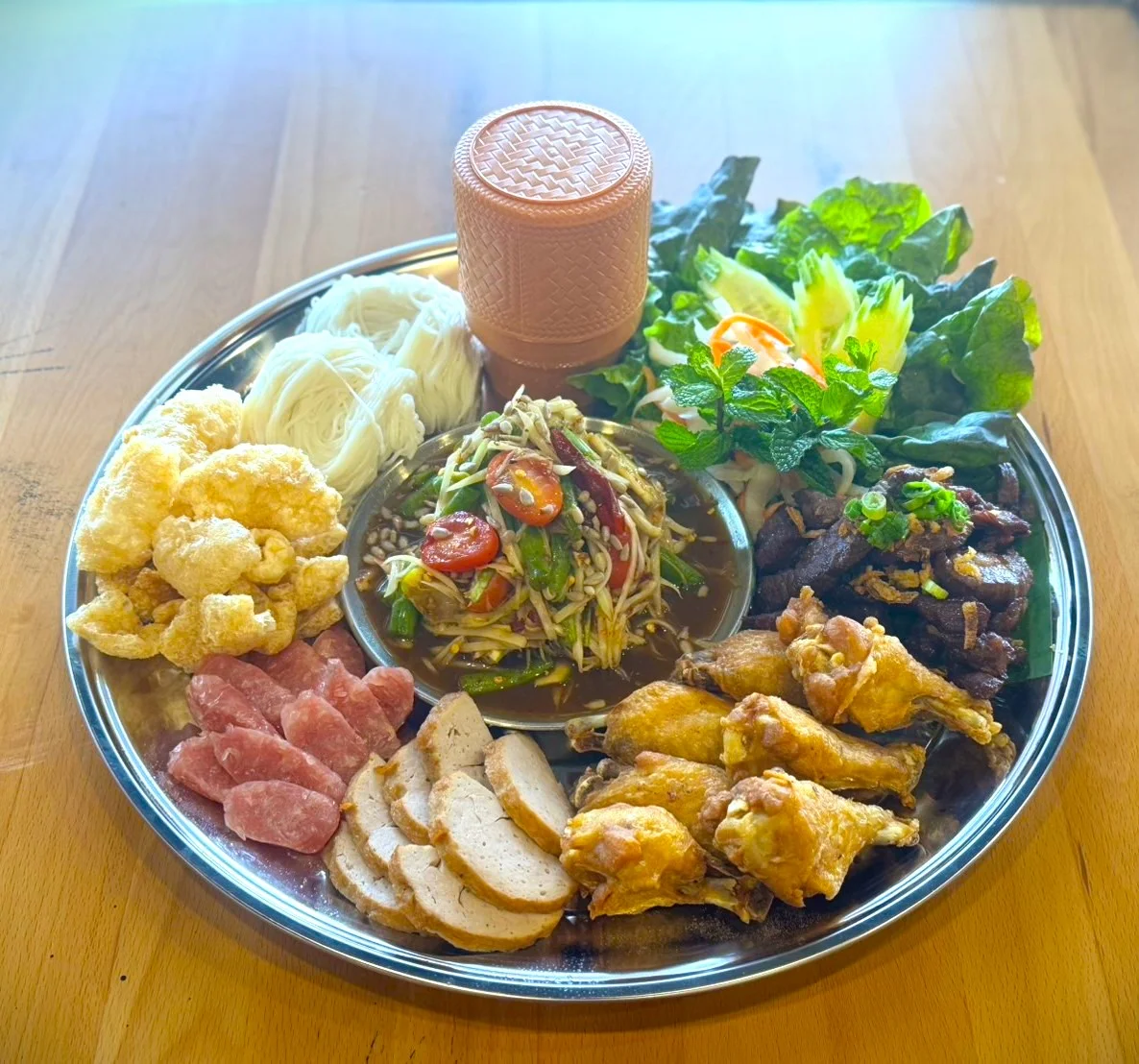
A great Thai Vietnamese Lao menu does more than put three cuisines side by side. It gives you choices for the mood you are in: a fragrant soup when you want something restorative, a bright herb-forward salad when you want a little heat, a creamy curry for comfort, or a rice and grilled-meat plate built for sharing. The common thread is Southeast Asian flavor with its balance of fresh herbs, chile, citrus, savory sauces, and comforting rice.
For diners who already know Thai curry or Vietnamese noodle soup, Lao dishes can be the welcome surprise. For diners raised with these flavors, the menu can feel like a familiar table with room for everyone. That mix of comfort and discovery is what makes a regional menu worth returning to.
Why Thai, Vietnamese, and Lao Food Belong Together
Thailand, Vietnam, and Laos share borders, ingredients, and food traditions, but each cuisine has its own point of view. A combined menu should respect those differences rather than blur everything into one broad category.
Thai cooking is often recognized for its careful push and pull between sweet, sour, salty, spicy, and rich. Curries, stir-fries, and soups can be layered with coconut milk, lime, basil, galangal, lemongrass, and chile. The result may be gentle or fiery, but it is rarely flat.
Vietnamese dishes often lean into freshness and contrast. Herbs, pickled vegetables, rice noodles, and crisp textures can make a meal feel light while still deeply satisfying. A bowl of noodle soup or a vermicelli dish offers a different kind of comfort than curry: clean, aromatic, and built one bite at a time.
Lao food brings a bold, grounded character all its own. Sticky rice, grilled meats, fresh herbs, toasted rice powder, lime, and fermented flavors are central to many Lao tables. Dishes can be tangy, smoky, savory, and spicy at once. There is overlap with northeastern Thai food, especially across a shared cultural region, but Lao cuisine deserves to be recognized on its own terms.
At Eat A Lao, that regional range makes it easier to order for a group with different tastes without losing the feeling of a meal rooted in heritage.
Thai Vietnamese Lao Menu Picks for Every Craving
The best first order depends less on what is considered famous and more on what you want from your meal. Start with the kind of experience you are after, then build from there.
When You Want Something Warm and Restorative
Soup is a strong place to begin, especially on a cold Maryland afternoon or when you need a meal that feels like it has your back.
Thai-style soups often bring citrus, herbs, and chili into a savory broth. Vietnamese noodle soups tend to offer a slower, more aromatic comfort, with noodles and herbs giving each bowl substance and freshness.
If you are unsure about spice, ask for a mild start. Heat can always be added, but a good soup should still have personality before the chili arrives. Lemongrass, lime, ginger-like galangal, onion, herbs, and broth each have work to do.
When You Want Bright, Crisp Flavor
Papaya salad is a natural choice for diners who like crunch, tang, and heat. Green papaya is shredded and dressed with bold ingredients that may include lime, fish sauce, chili, tomato, and peanuts. Depending on the style, it can be deeply spicy, so this is a good dish to share with a cooling drink and rice.
Fresh Vietnamese-style rolls and herb-filled noodle dishes offer a softer entry point for those who want lively flavor without an intense chili kick. They are especially useful when one person at the table wants something light and another wants a richer curry or grilled dish.
When Comfort Means Curry or Stir-Fry
Curry is the choice for creamy texture, fragrant spices, and an easy pairing with rice. Some curries are mellow and gently sweet from coconut milk; others are sharper, more savory, and more chile-forward. The right choice depends on whether you want the sauce to be the star or a backdrop for vegetables and protein.
Stir-fries offer a quicker, savory alternative. They can bring basil, garlic, vegetables, and sauce together in a way that travels well for pickup or delivery. If you are ordering for a busy weeknight, a stir-fry with rice is often one of the most dependable meals on the menu.
When You Want the Lao Table Experience
Lao-style grilled dishes and herb-rich salads invite a more communal way of eating. Sticky rice is not simply a side dish. It is a way to gather bites, soften spice, and bring the plate together. Grilled meat, fresh vegetables, and dipping sauces create contrast between char, acid, heat, and herbs.
This is where adventurous diners should not confuse bold with inaccessible. Lao food can be direct in flavor, but it is also generous. Take a small bite with rice, add herbs or vegetables, and let the dish reveal itself gradually. If a dish includes toasted rice powder, fermented sauce, or strong herbs, those are often the details that give it its memorable depth.
How to Build a Table That Everyone Can Enjoy
A mixed group does not need to agree on one cuisine. In fact, this is where a Thai Vietnamese Lao menu shines. Order one warming dish, one fresh dish, one rice or noodle dish, and one shareable main. You get contrast without turning the table into a guessing game.
For example, a bright salad can cut through the richness of curry, while rice keeps spicy grilled dishes approachable. A noodle dish may be the reliable favorite for kids or less adventurous diners, while the Lao-inspired dish gives the table something new to talk about.
Be honest about spice preferences when ordering. Southeast Asian heat is not one-size-fits-all, and chile can play a very different role from dish to dish. Mild is a smart choice for first-timers who want to taste the herbs and sauces clearly. Spice lovers can usually find more intensity, but even they may want a balanced dish alongside their hottest order.
Dietary needs also deserve a quick conversation. Many dishes can feature vegetables, tofu, chicken, beef, pork, or shrimp, but sauces and broths may contain fish sauce, shellfish, eggs, or other ingredients that matter for allergies or dietary restrictions. Asking before you order helps the kitchen guide you toward the best fit.
What Makes a Menu Feel Authentic and Accessible
Authenticity is not about making every guest prove they know a dish before ordering it. It is about cooking with care, naming traditions honestly, and letting flavor lead. A menu can welcome someone ordering their first papaya salad just as warmly as someone looking for the food they grew up eating.
Accessibility matters too. Clear descriptions, approachable spice options, and meals that work for dine-in, pickup, or delivery make regional food part of everyday life instead of something reserved for special occasions. Some dishes travel better than others, though. Soups, curries, and stir-fries generally hold up well, while crisp salads and fresh herbs are often best enjoyed soon after they arrive.
There is also no single correct order. One visit might be all comfort food: soup, curry, and rice. The next might be built around grilled meats, sticky rice, and a punchy salad. Bring a friend, order one familiar favorite and one new dish, and let the table do what good food always does: start a conversation.

