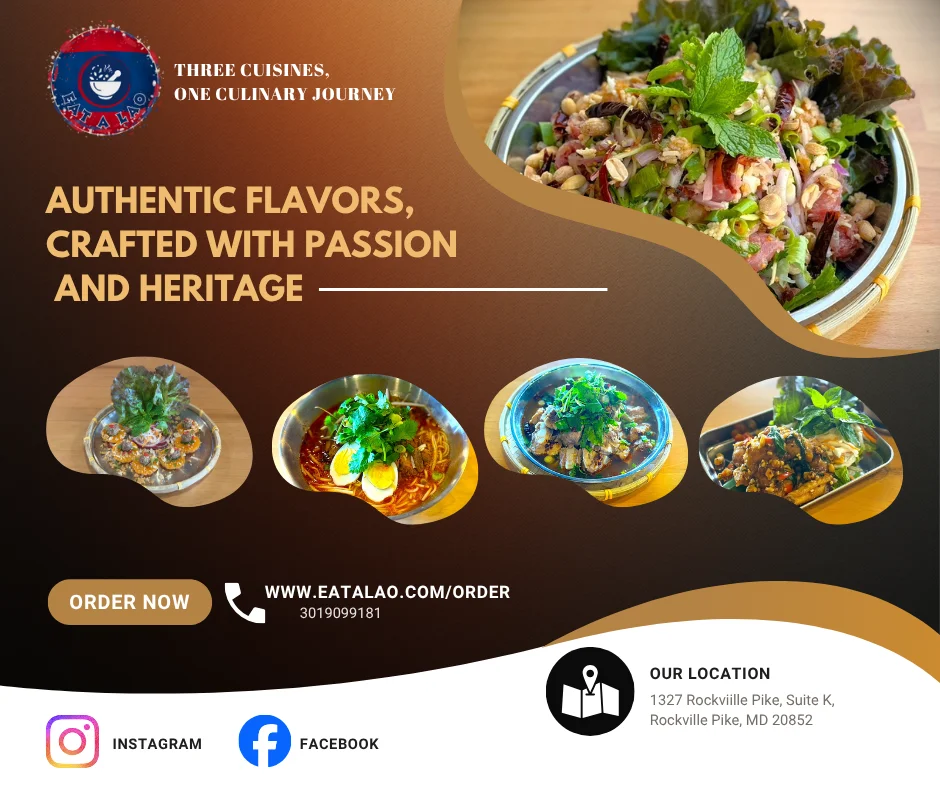
A great plate of fried rice arrives with its own kind of welcome: fragrant steam, grains touched by high heat, and savory flavor that reaches the table before the first bite. Stir fried rice dishes are often treated as a simple takeout staple, but the best versions carry far more personality. They bring together rice, aromatics, protein, vegetables, sauce, and the quick confidence of a hot wok into a meal that feels both familiar and full of discovery.
For diners who enjoy Southeast Asian food, fried rice can be an easy entry point or a dependable favorite. It offers comfort without being plain, and it pairs naturally with the bright, spicy, herb-forward dishes that make a shared meal memorable.
Why Stir Fried Rice Dishes Taste So Good
The secret is not a single sauce or seasoning. It is contrast. Individual grains should be separate rather than soft and clumped together, with enough wok heat to create light caramelization without drying the rice out. Garlic, onion, egg, and protein build a savory base, while fresh vegetables add sweetness and texture.
Rice that has had time to cool is especially useful because it stays firm during cooking. Freshly cooked rice can work, but it holds more moisture and may turn soft if it is stirred too long. That is one reason restaurant fried rice often has a pleasantly springy texture: the cooking is fast, the pan is hot, and every ingredient has a purpose.
Sauce matters, too, but restraint matters more. Soy-based seasoning can bring salt and depth, while fish sauce adds a distinctive savory character found across many Southeast Asian kitchens. A little sweetness can round out the flavor, and chili brings heat when desired. Too much sauce, however, can hide the fragrance of the rice and make the dish heavy.
What Makes Southeast Asian Fried Rice Different
Fried rice appears across many cultures, so there is no single version that speaks for all of Southeast Asia. Thai-style fried rice may lean into fish sauce, lime, and a clean savory balance. Vietnamese-influenced meals might pair rice with grilled meats, pickled vegetables, or fresh herbs. Lao food often celebrates bold herbs, toasted notes, chilies, and bright acidity, flavors that can turn a straightforward rice dish into part of a bigger table experience.
That regional variety is exactly what makes fried rice worth ordering more than one way.
One plate may be mild and deeply savory, while another is sharper with chili, basil, or a squeeze of lime. The choice depends on what you want from the meal. If you are craving comfort, a classic egg-and-protein fried rice is hard to beat. If you want more contrast, pair it with a tangy salad, a spicy soup, or a grilled dish with herbs.
Choosing the Right Fried Rice for Your Craving
Protein changes the personality of the dish. Chicken offers a familiar, satisfying option that takes on seasoning easily. Beef brings a richer, fuller flavor, especially when balanced with crisp vegetables or something bright on the side. Shrimp cooks quickly and adds a subtle sweetness, while tofu can make a fried rice feel lighter without giving up substance.
Vegetable fried rice deserves more attention than it sometimes gets. When vegetables are cooked quickly, they retain color and a little crunch, creating a better balance against the tender rice and egg. It can be a complete meat-free meal, or a flexible side for a table that includes curries, soups, and grilled entrées.
Spice level is another consideration. Fried rice does not need to be fiery to be flavorful, but heat can bring welcome energy to its savory profile. For diners still getting to know Southeast Asian flavors, start with a mild or medium spice level and add a bright side dish. Experienced chili lovers may prefer a bolder preparation, especially alongside cooling drinks or fresh vegetables.
How to Build a Better Shared Meal
Fried rice is satisfying on its own, but it becomes more interesting when it is part of a spread. Its warm, savory base gives other dishes room to shine. A sour, aromatic soup creates contrast. A papaya salad adds crunch, heat, and tang. Curry brings richness, while grilled meat or seafood contributes char and depth.
There is a practical reason this works for lunch or dinner with friends and family. Fried rice travels well, holds its texture better than many saucy dishes, and gives everyone something approachable to return to between more adventurous bites. For pickup or delivery, it is often the dish that helps turn several separate orders into a shared meal.
The key is balancing rich and bright flavors. If the table already includes a creamy curry, choose fried rice with vegetables or a simpler protein. If the main dishes are spicy and sharp, a mild fried rice can offer a welcome reset. There is no rigid formula, just a chance to build a meal that feels generous rather than repetitive.
Fried Rice Is More Than a Side Dish
Calling fried rice a side can sell it short. It can anchor a quick weekday dinner, become the comfort food a family orders again and again, or make a full table feel more complete. Its appeal comes from that flexibility.
A diner who prefers recognizable flavors can enjoy it immediately, while someone looking for a deeper introduction to Lao, Thai, or Vietnamese-inspired food can use it as a starting point for new combinations.
At Eat A Lao, that spirit of familiarity and discovery belongs at the center of the table. Southeast Asian food is often best enjoyed with a little sharing: one person reaches for soup, another adds salad to their plate, and everyone finds a favorite in the mix.
Fried rice helps make that kind of meal easy.
A Few Details That Make Every Bite Better
A wedge of lime can wake up a richer fried rice with a quick burst of acidity.
Fresh herbs add fragrance, especially when the dish includes grilled meat or seafood. A spoonful of chili sauce can bring heat,
but add it gradually so the seasoning already in the rice still comes through.
Texture is worth noticing as you eat. The most satisfying plates have tender rice, a few lightly crisp grains, soft egg, and vegetables that have not been cooked into sameness. If your meal includes a crunchy salad or crispy appetizer, alternate bites.
That small change keeps the flavors lively from the first forkful to the last.
Whether you are ordering a familiar chicken fried rice after a long day or building a table around spicy salads, soup, and grilled specialties, let the rice be the warm center that brings the meal together.
A good plate does not need to be complicated. It simply needs care, heat, balance, and people ready to share it.

