A plate of papaya salad can make the question feel complicated. Both Lao and Thai cooking use chilies, lime, herbs, fish sauce, rice, and plenty of fresh flavor. But Lao food vs Thai food is not a contest over which cuisine is hotter or better.
It is a chance to notice two connected food traditions with their own ingredients, rhythms, and stories.
For diners around Rockville who already love Thai curry, tom yum, or Thai iced tea,
Lao food can feel both familiar and exciting. You may recognize the brightness right away, then find deeper funk,
more toasted flavors, and a strong connection to sticky rice and shared meals.
Lao Food vs Thai Food: The Big Difference
Thailand and Laos are neighbors, and their cuisines naturally overlap.
Food traditions also change from one region, household, and restaurant to another.
Northern and northeastern Thai food, especially cooking from Isan,
shares many flavors and dishes with Lao cuisine because the communities, ingredients,
and cultural histories are closely connected.
Still, Lao cuisine often puts sticky rice at the center of the table, leans heavily into fresh herbs and fermented ingredients,
and uses toasted rice powder to add a nutty aroma and gentle crunch.
The food can be intensely savory, sour, spicy, and herbal at once. Rather than relying on a single rich sauce, many Lao dishes build flavor through contrast.
Thai cuisine is wonderfully diverse too. A creamy coconut curry from central Thailand, a hot and sour soup, a sweet-savory noodle dish, and a fiery green papaya salad may all appear on one broad Thai menu.
Thai cooking is often described through a balance of sweet, sour, salty, spicy, and sometimes bitter flavors.
That balance can be delicate, although bold dishes are certainly part of the tradition.
The practical difference for a first-time diner is this: Thai food may offer more immediately familiar choices,
while Lao food often asks you to enjoy a bigger punch of herbs, fermented depth, and texture.
Neither experience is one-note, and both can be adjusted to your comfort with spice.
Sticky Rice Is More Than a Side
In many Lao meals, sticky rice, also called glutinous rice, is the everyday foundation.
It is steamed until tender and pleasantly chewy, then served in a small basket. Diners take a pinch with their fingers, form it into a small bite,
and use it to gather grilled meat, salad, dip, or stew.
This changes the whole meal. Sticky rice has a mild flavor and satisfying texture that stands up to spicy, sour dishes.
It makes a meal feel communal and hands-on, especially when several dishes are placed in the middle of the table.
Jasmine rice is more common alongside many Thai dishes, particularly curries and stir-fries.
Its fluffy grains soak up sauces beautifully. Thai cuisine also has sticky rice, most famously with mango,
but in Lao cooking it is often a daily essential rather than just a dessert companion.
The Ingredients That Give Lao Food Its Character
Fresh herbs appear in both cuisines, but Lao food is especially generous with them. Mint, cilantro, scallions, dill, lemongrass, Thai basil, and other leafy herbs can bring a garden-fresh quality to grilled meats, soups, and salads.
A dish may arrive looking simple, then reveal layers of fragrance in every bite.
Toasted rice powder is another signature flavor. Made by dry-toasting rice and grinding it, it brings a warm, nutty note to dishes such as larb. Larb is a minced meat salad seasoned with lime, fish sauce, chilies, herbs, and toasted rice powder.
It can be made with chicken, pork, beef, fish, mushrooms, or other ingredients, depending on the kitchen and regional style.
Fermented fish sauce, often called padaek in Lao cooking, also carries cultural importance. It has a powerful savory aroma and adds deep umami to certain dishes. It is not meant to taste harsh for its own sake.
Used thoughtfully, it gives food a rounded, soulful depth that fresh lime and chilies can lift.
Thai food also uses fish sauce, shrimp paste, dried chilies, tamarind, coconut milk, galangal, kaffir lime leaves,
and palm sugar in many beloved dishes. The exact ingredient list matters less than the way a cook balances it.
A Thai curry may be creamy and aromatic.
A Lao grilled dish may be drier, smokier, and herb-forward. Both can be deeply satisfying, just in different ways.
Papaya Salad Shows the Overlap
Green papaya salad is one of the clearest examples of shared culinary ground.
In Thailand, many diners know it as som tam. In Laos, it is commonly called tam mak hoong. Both versions typically use shredded green papaya pounded with chilies, lime, and savory seasonings.
The differences often come down to emphasis.
A Lao-style papaya salad may use fermented fish sauce and have a more assertive, savory funk.
Thai versions may lean more noticeably toward sweet, sour, and spicy balance, depending on the region and recipe.
Tomatoes, long beans, peanuts, dried shrimp, crab, and other additions vary widely.
There is no single correct version. If you like crunch, heat, tang, and a dish that wakes up your appetite, papaya salad is a great place to start. Ask about the spice level, especially if you are new to Lao-style preparation. The goal is to taste the ingredients, not to prove something through heat.
Grilled Foods, Soups, and Curries
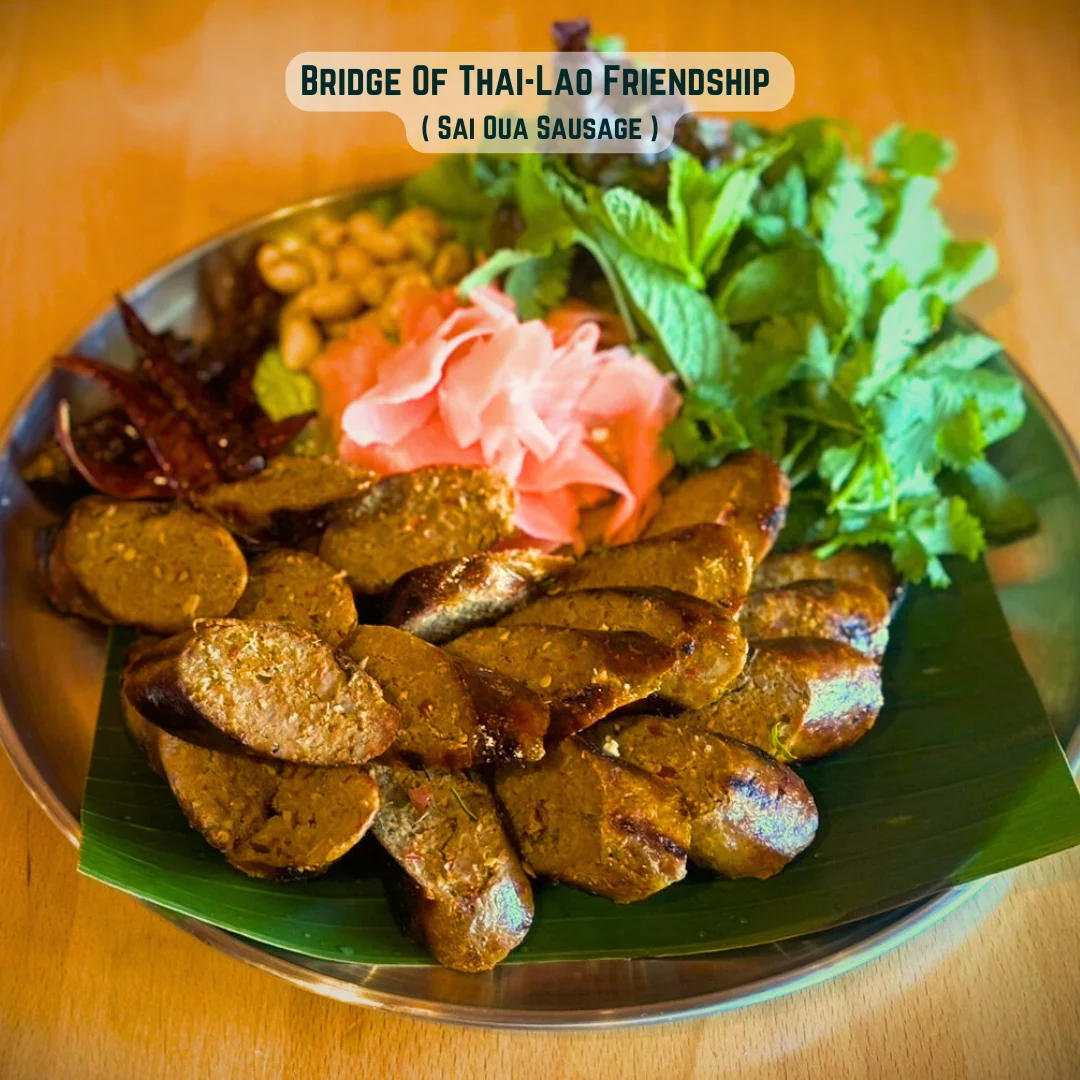
Lao cuisine is known for grilled meats, fish, sausages, and dipping sauces that make simple ingredients feel celebratory.
Char and smoke are often part of the appeal. A grilled protein with sticky rice, herbs,
and a spicy dipping sauce can be a complete, memorable meal without a heavy curry base.
Thai cuisine has excellent grilled dishes as well, along with a wide range of stir-fries, noodle dishes, and curries. Coconut milk is more prominent in many Thai curries, creating a rich texture that softens chilies and aromatic spices. Lao food has curries too, but a diner should not expect every Lao meal to be coconut-forward.
Soups reveal another difference in mood. Thai soups such as tom yum are celebrated for their hot, sour, fragrant broth. Lao soups may be herb-heavy, savory, and comforting, with ingredients chosen for texture as much as broth flavor. The border between categories is not always neat, and that is part of what makes the region's food so rewarding to explore.
What Should You Order First?
Start with what feels comfortable, then add one new dish to the table. If you usually order Thai curry, pair it with sticky rice and a Lao-style salad or grilled item. If you enjoy bold salads and fresh herbs, larb and papaya salad are natural choices. If you prefer milder flavors, ask for a gentle spice level and let the lime, herbs, and savory notes lead.
Sharing is especially helpful when trying Lao food for the first time. One grilled dish, one salad, one rice choice, and a soup or curry can show how different textures and flavors work together.
A cool drink can also bring welcome balance when the food gets spicy.
At Eat A Lao, the menu makes room for familiar Thai and Vietnamese favorites alongside Lao-inspired dishes,
so there is no need to choose between comfort and curiosity. Bring a friend, order a few things to share,
and let the table become part of the story.
The best first order is not necessarily the most adventurous one. It is the one that makes you want another bite, then another visit, with a little more room on the table for something new.

