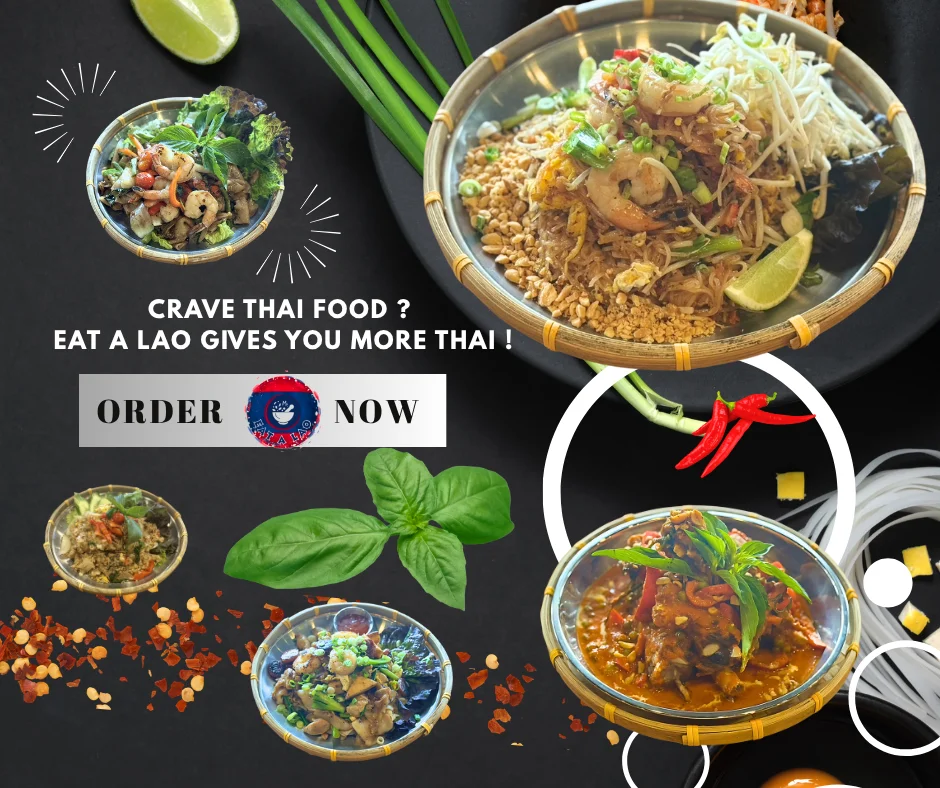
The best Thai food is rarely about choosing the single hottest curry or the most familiar noodle dish.
It is about balance: bright lime, savory fish sauce, fresh herbs, roasted chili, creamy coconut,
and just enough sweetness to bring everything together.
A great Thai meal can be comforting on a busy weeknight, lively enough to share with friends,
and full of small details that reward a curious first bite.
For diners around Rockville, Thai food also offers an easy doorway into the wider flavors of Southeast Asia.
Many ingredients and food traditions overlap across Thailand and Laos, especially in the northeast,
where grilled meats, sticky rice, herb-forward salads, and bold chile heat play an important role.
Knowing what to order makes the menu feel less overwhelming and a lot more delicious.
What Makes the Best Thai Food So Memorable
Thai cooking is built around contrast. A dish might be salty, sour, spicy, and a little sweet at the same time,
but none of those flavors should take over. The goal is harmony, not heat for heat’s sake.
Freshness matters just as much.
Lemongrass, galangal, kaffir lime leaf, Thai basil, cilantro, mint, scallions, and lime give many dishes their lift.
They keep rich curries from feeling heavy and turn simple grilled proteins into something fragrant and vivid.
That is why the “best” choice depends on what you want from the meal.
If you want comfort, go for a coconut curry or a warm noodle bowl.
If you want something crisp and punchy, choose a papaya salad.
If you are feeding a table, combine a soup, a salad, a curry, and a rice dish so every bite has a different rhythm.
Best Thai Food to Order First
Tom Yum Soup
Tom yum is one of Thai cuisine’s great wake-up calls. This hot-and-sour soup gets its unmistakable aroma
from lemongrass, galangal, lime leaf, and chile. Mushrooms and protein, often shrimp or chicken,
add substance, while lime brings a clean, sharp finish.
Order tom yum when you want something flavorful without the richness of coconut milk.
It is especially good alongside rice, grilled meats, or a stir-fry. Spice levels can vary,
so it is smart to ask for a heat level that lets the citrus and herbs come through.
Green Curry
Green curry is creamy, fragrant, and often more complex than it first appears.
Green chiles, herbs, coconut milk, vegetables, and basil create a curry
that can be gently sweet, savory, and spicy all at once.
It is a natural choice for diners who enjoy a rich sauce but still want plenty of herbal brightness.
Have it with steamed rice to catch every drop of curry. If you prefer a milder start,
green curry can be a better entry point than some of the more chile-forward salads,
though each restaurant’s recipe is different.
Red Curry
Red curry usually brings a deeper, warmer chile flavor than green curry. Coconut milk smooths the heat,
while bamboo shoots, bell peppers, basil, and protein add texture and color. It is a satisfying choice when you want a familiar, hearty main dish with more personality than a standard takeout entrée.
The trade-off between red and green curry is simple: choose green for a fresher herbal profile,
or red for fuller roasted-chile warmth. Neither is automatically hotter, since the kitchen’s preparation and your chosen spice level matter more.
Pad Thai
Pad Thai is popular for a reason. Rice noodles, egg, bean sprouts, crushed peanuts, lime,
and a tamarind-based sauce create a balance of chewy, tangy, nutty, and savory flavors.
It is approachable for first-time diners, but a well-made version is far from plain.
Pad Thai works best when the noodles are not overly sweet or drowning in sauce.
Add a squeeze of lime, mix in the peanuts, and taste before reaching for extra condiments.
The dish should have enough tang and savoriness to stay interesting from the first forkful to the last.
Drunken Noodles
Drunken noodles, often made with wide rice noodles and Thai basil, are for diners who want bigger flavor and more heat. The noodles are stir-fried with vegetables, chiles, garlic, and a savory sauce that clings to every ribbon of noodle.
Despite the name, alcohol is not the point. The dish is known for its bold seasoning and satisfying late-night energy.
Thai basil is the star here. Its peppery, slightly anise-like aroma makes drunken noodles feel different from other stir-fried noodle dishes. Ask for medium spice if you like heat but still want to taste the basil and vegetables.
Papaya Salad
Green papaya salad is crisp, tart, spicy, and deeply refreshing. Shredded unripe papaya is pounded with lime, chile, garlic, tomatoes, and savory seasonings, creating a salad with more intensity than many main dishes.
It wakes up the palate and pairs beautifully with grilled meat, sticky rice, or fried appetizers.
This is also where Thai and Lao food traditions meet in a meaningful way. Versions of papaya salad vary by region and household, with differences in fermentation, sweetness, herb use, and heat. If you are new to it, start at a moderate spice level. The dish is meant to be bold, but it should still be enjoyable.
Larb
Larb is a minced meat salad seasoned with lime, herbs, toasted rice powder, and chile. It is bright, savory, and often served with lettuce, fresh vegetables, or sticky rice. While it is commonly found on Thai menus, it is also central to Lao cuisine, particularly the food traditions of Laos and northeastern Thailand.
For a meal with real contrast, pair larb with a creamy curry. The curry offers richness; larb brings acidity, herbs, and texture. Together, they show how Southeast Asian meals can feel both hearty and fresh.
Thai Basil Stir-Fry
Thai basil stir-fry is a dependable choice when you want something savory, fragrant, and filling.
Ground or sliced protein is cooked with garlic, chiles, vegetables, and generous Thai basil, then served with rice.
A fried egg on top, if available, adds a rich yolk that softens the chile and makes the dish even more satisfying.
This is a practical weekday order because it travels well for pickup and delivery.
It is also easy to customize by protein and spice level without losing the dish’s essential character.
Massaman Curry
Massaman curry is the gentle, slow-building option.
It often includes potatoes, onions, peanuts, and a rich coconut-based sauce with warm spices.
Compared with green or red curry, it leans less on sharp herb and chile notes and more on comforting depth.
Choose Massaman when you are looking for a mellow curry with a fuller, almost stew-like feel. It is especially welcoming for diners who are still getting comfortable with spicy food, though it should never be mistaken for flavorless.
Thai Iced Tea
A Thai meal deserves a drink that can stand up to the food. Thai iced tea is sweet, creamy, and cooling, with a distinctive spiced tea flavor beneath the ice and milk. It is a favorite partner for spicy noodles, papaya salad, and grilled dishes.
It is also a reminder that balance can happen in the glass. A sip of cold, creamy tea after a chili-forward bite resets the palate and makes the next bite taste new again.
How to Build a Thai Meal for the Table
When ordering for two or more people, avoid choosing only rich dishes. A table of curry, noodles, and fried appetizers can be delicious, but it may feel heavy without something sour, herbal, or crisp to cut through it.
A better approach is to choose one warming dish, one bright dish, and one filling staple. For example, pair tom yum with papaya salad and a curry with rice. Or choose larb, drunken noodles, and a creamy drink. The mix gives everyone variety without ordering more food than the table can enjoy.
If someone in your group is spice-sensitive, do not make the entire meal mild by default.
Order one dish at a gentler level and another with more heat.
That way, everyone can eat comfortably while the table still gets to experience the lively chile flavor
that makes so many Thai dishes memorable.
A Good First Order Is an Invitation
The best Thai food is the food that makes you want to try one more dish next time.
Start with a favorite like pad Thai or green curry, then add something that feels new, such as larb, papaya salad, or tom yum.
At Eat A Lao, that sense of discovery is part of the welcome:
familiar Southeast Asian comfort alongside dishes that carry the herbs, heat, and stories of the region.
Bring an appetite, choose a little contrast, and let the table be part of the experience. The most satisfying order is not the safest one - it is the one that gives you a reason to come back curious.

