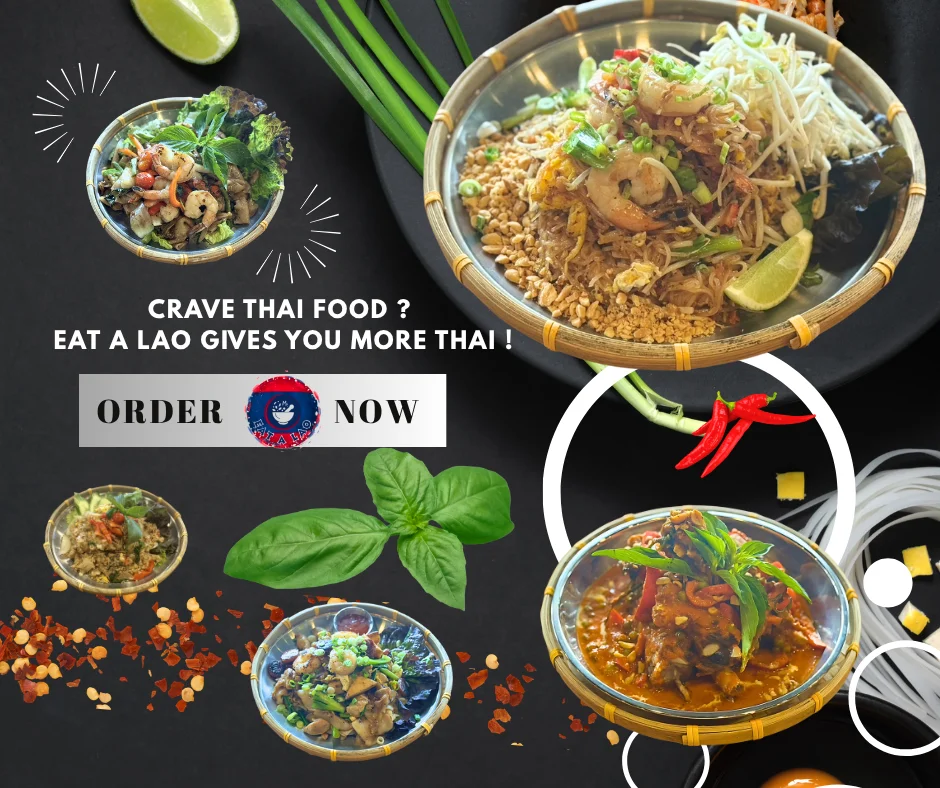
A bowl of tom yum should wake up the table before the first spoonful. Its aroma is bright with lemongrass and lime, its heat is lively rather than heavy, and its sourness keeps every sip moving. That balance is what people mean when they search for authentic Thai food Rockville diners can enjoy regularly:
food with a clear point of view, made with care, and satisfying enough for a quick lunch or a shared dinner.
What Authentic Thai Food Tastes Like
Thai cooking is not defined by one flavor. It is built around contrast. Sweet coconut milk can soften the warmth of chilies. Fish sauce brings savory depth to fresh herbs. Lime adds a clean sour edge, while roasted rice, garlic, tamarind, or shrimp paste can add another layer entirely. A memorable dish does not flatten those flavors into one note.
It lets them meet each other on the plate.
That is why a curry can be creamy and still feel bright. It is why a papaya salad can be crunchy, spicy, sour, and savory at once. It is also why heat alone is not a measure of authenticity. Thai food can be fiery,
but the best spice level is the one that lets you taste the herbs, aromatics, and seasoning underneath it.
Fresh ingredients matter. Basil should smell peppery and green. Lemongrass should bring a citrusy lift. Cilantro, mint, scallions, and lime should add freshness instead of becoming an afterthought.
When those ingredients are handled well, even a familiar stir-fry feels more vivid than standard takeout.
Authentic Thai Food in Rockville Is More Than a Menu Category
No single dish can represent all of Thailand. Regional cooking varies widely, shaped by local ingredients, climate, and neighboring food traditions. Northern dishes often lean into herbs, grilled meats, and milder curries. Central Thai cooking is known for the balance many diners recognize in popular curries and noodle dishes.
Southern food can bring deeper heat, turmeric, seafood, and rich spice pastes. Northeastern cuisine, often associated with Isaan, shares strong cultural and culinary ties with Laos.
That last connection matters in a restaurant that celebrates Southeast Asian food. Lao and Thai cuisines overlap in ingredients and techniques, especially around sticky rice, grilled meats, herbs, chilies, papaya salad, and larb-style salads.
But overlap is not the same as sameness. Each cuisine carries its own traditions, family memories, and regional identity.
For diners, this creates a better kind of choice. You can return to the Thai favorites you already love while trying dishes that show how Lao flavors speak alongside them. A meal can feel familiar without being predictable.
One person may order a coconut curry, another may choose a bold, herb-forward salad,
and the table can discover how naturally those dishes belong together.
Start With the Flavors You Know, Then Try Something New
If Thai food is already part of your regular rotation, look beyond the one dish you always order. Tom yum is a good place to begin when you want something hot, aromatic, and tart.
Green, red, or yellow curries each offer a different personality, from fresh green herb notes to warm dried spices and turmeric. A stir-fry with basil can bring a savory, garlicky punch that pairs especially well with rice.
If you are newer to the cuisine, choose according to the kind of meal you want. Curry is comforting and easy to share. Noodle dishes are filling and familiar. Soups are ideal when you want brightness and warmth without a heavy meal. Salads bring the biggest contrast of flavors and textures, making them a great choice for diners who enjoy heat, acidity, and crunch.
It also helps to think about the meal as a whole. A rich curry tastes even better with a fresh salad nearby. A spicy stir-fry benefits from plain rice. A hot, savory entrée and a cold Thai iced tea can make a quick pickup order feel like a real break in the day. Thai food is naturally suited to sharing because one dish can complement the next.
Spice Should Add Flavor, Not End the Meal
Many diners ask for Thai food as spicy as possible, while others avoid chilies altogether. Both approaches can miss the point. Spice is personal, and a restaurant's heat level may vary by dish because different chilies and preparations behave differently.
When ordering, be honest about what you enjoy. Mild can still be flavorful, especially in curries and soups where herbs and aromatics do much of the work. Medium heat often gives you a fuller expression of the dish without overwhelming it. If you love spice, ask for it with the understanding that authentic heat is meant to be felt, not treated as a challenge.
The same practical approach applies to dietary needs. Southeast Asian food often includes fish sauce, shellfish, peanuts, egg, and other ingredients that bring important flavor and texture. Vegetarian, vegan, gluten-sensitive, and allergy-conscious diners should always ask about preparation rather than assuming a dish is a fit. A good meal starts with knowing what is in it and choosing confidently.
A Table That Makes Room for Everyone
Authentic food does not have to be formal or unfamiliar. It can be the dinner you bring home after work, the soup that helps on a rainy evening, or the spread you order when family and friends cannot agree on one thing. The most inviting Southeast Asian restaurants make room for both the experienced diner who knows exactly what they want and the curious guest who needs a welcoming starting point.
At Eat A Lao, Thai dishes sit alongside Lao and Vietnamese flavors because the story of Southeast Asian food is bigger than a single label. That range invites diners to enjoy a classic curry one day, then return for a papaya salad, fragrant soup, or a dish they have never tried before. The goal is not to make discovery feel intimidating. It is to share the food the way it is meant to be shared: generously, casually, and with pride.
Make Your Next Order a Little More Personal
The best way to find your favorite Thai dish is to pay attention to what you respond to. If you love tangy food, try more soups and salads. If coconut-based curries are your comfort zone, experiment with different curry colors and proteins. If fresh herbs make a dish for you, explore the Lao side of the menu as well.
Bring home a combination that gives you contrast: something creamy, something crisp, something spicy, and something refreshing to drink. Then let the flavors start a conversation. A good meal should leave you full, but it should also leave you curious about what to order next.

